
Do I Need a Repipe? San Diego Warning Signs
Do you need a whole-house repipe in San Diego? Use this symptom checklist for galvanized pipes, recurring leaks, low pressure, and rusty water. 2026 costs inside.
The short answer
- You likely need a repipe if you have galvanized steel pipe, 2+ leaks a year, low pressure throughout, or rusty water.
- Homes built before the mid-1970s with original galvanized pipe are usually overdue; the pipe rusts from the inside out.
- Spot-repair one leak in sound copper or PEX; repipe when the failing material is galvanized or corroding system-wide.
- San Diego's hard water (15 to 20 grains per gallon) and old housing stock wear pipes out faster than most of the country.
- A 2026 whole-house repipe runs $4,000 to $15,000 and takes one to three days. Call (858) 925-5546 for an honest assessment.
If you are patching the same leaks over and over, dealing with weak pressure, or seeing rusty water from the tap, you may need a whole-house repipe rather than another spot fix. A repipe replaces all the failing supply lines in your home at once. The short answer: if your house was built before the mid-1970s and still has its original galvanized steel pipes, you are likely overdue.
For a free, no-pressure assessment of your plumbing, call Plumbing Pro San Diego at (858) 925-5546. We will tell you honestly whether a spot repair will hold or whether a repipe is the smarter spend.
This guide walks through the warning signs, why San Diego homes fail early, and how to decide between repairing and repiping.
The repipe decision checklist
Run through these signs. The more boxes you check, the stronger the case for a full repipe.
| Sign | What it means | Repipe urgency |
|---|---|---|
| Galvanized steel supply pipes | Pipes corrode from the inside, restricting flow | High |
| Recurring leaks (2+ per year) | The pipe material is failing, not just one fitting | High |
| Low water pressure throughout | Mineral and rust buildup is choking the lines | Medium to high |
| Rusty or discolored water | Pipe interior is rusting and shedding into your water | High |
| Pinhole leaks in copper | Corrosion is attacking the whole copper system | High |
| Home built before 1975 | Likely original galvanized pipe at end of life | High |
| Water that runs brown after a trip | Sediment settling inside corroded pipes | Medium |
| Banging or knocking in walls | Pressure issues stressing aging pipes | Low to medium |
One sign alone may point to a simple repair. Several together usually mean the pipe material itself has reached the end of its service life, and patching one section just moves the next failure down the line.
Why San Diego homes need repipes earlier
San Diego has two conditions that wear pipes out faster than most of the country.
First is the water. San Diego County imports most of its supply, and it is some of the hardest water in the nation at roughly 15 to 20 grains per gallon. That mineral load builds up inside pipes year after year. In galvanized steel, it accelerates internal rust. In copper, hard water combined with certain water chemistry contributes to pinhole leaks.
Second is the housing stock and the coast. A large share of homes in older neighborhoods like North Park, Kensington, La Mesa, and parts of Chula Vista were built with galvanized steel supply lines that were never meant to last 70-plus years. Many sit on slab-on-grade foundations, so a failing pipe under the slab is expensive to reach. And homes near the water in Ocean Beach, Point Loma, and Encinitas deal with salt air that speeds up corrosion on any exposed metal.
Put hard water and aging galvanized pipe together and you get the classic San Diego pattern: pressure drops, water discolors, and small leaks start showing up faster than you can fix them.
Galvanized pipe is the biggest red flag
If your home still has galvanized steel supply pipes, a repipe is usually a question of when, not if. Galvanized pipe was standard in homes built before the mid-1970s. The zinc coating that protects the steel wears away, and the pipe rusts from the inside out.
You cannot always see this from the outside. The pipe looks fine while the inside narrows with rust and scale. That is what causes the slow pressure loss and the brown water when you first turn on a tap. Once one section fails, the rest is not far behind, because all of it has aged the same way.
If you are not sure what material your pipes are, a plumber can check at an exposed section near the water heater or under a sink. Our full breakdown on galvanized pipe replacement in San Diego covers how to identify it and what replacement involves.
Recurring leaks: when patching stops making sense
A single leak is a repair. A pattern of leaks is a message. When you are calling a plumber two or three times a year for a new leak in a different spot, you are paying for repairs that add up to more than a repipe would have cost, with none of the long-term benefit.
The math is simple. If you have spent $1,500 over two years patching leaks in an old system, and each new leak risks water damage to drywall, flooring, or a slab, a repipe that ends the cycle starts to look like the cheaper path. Pinhole leaks in copper are the same story. One pinhole means the copper is corroding everywhere, and more are coming.
Low pressure and discolored water
Low water pressure across the whole house, not just one fixture, usually points to one of two things: a failing pressure regulator or pipes so clogged with internal corrosion that water cannot move freely. If a plumber rules out the regulator and the aerators, restricted pipes are the likely culprit, and that is a repipe conversation.
Discolored or rusty water is a clearer signal. If brown water comes from multiple fixtures, especially after the house has sat unused, the inside of your pipes is rusting and shedding particles into your water. That does not improve on its own. It gets worse until the pipe is replaced.
If pressure is your main symptom, start with our guide to low water pressure in San Diego homes to rule out the simple causes first.
Repipe vs. spot repair: how to decide
Here is the practical decision framework.
| Situation | Best move | Why |
|---|---|---|
| One leak, modern copper or PEX pipe | Spot repair | The material is sound; fix the failure point |
| One leak, but galvanized pipe throughout | Get a repipe quote | The rest of the system is the same age |
| Multiple leaks in 1–2 years | Repipe | The pipe material is failing, not one fitting |
| Pinhole leaks in copper | Repipe | Corrosion is system-wide |
| Low pressure plus discolored water | Repipe | Internal corrosion is choking the lines |
| Buying or selling an older home | Inspect, then decide | Negotiate a repipe into the deal during escrow |
The honest test is whether a repair fixes the problem or just delays the next one. A good plumber will tell you which it is.
What a San Diego repipe costs in 2026
A whole-house repipe in San Diego County typically runs $4,000 to $15,000, depending on the size of the home, the number of bathrooms, the pipe material chosen, and how accessible the existing pipes are. Single-story homes with attic or crawlspace access sit at the lower end. Two-story homes, slab foundations, and finished walls that need to be opened and patched push toward the higher end.
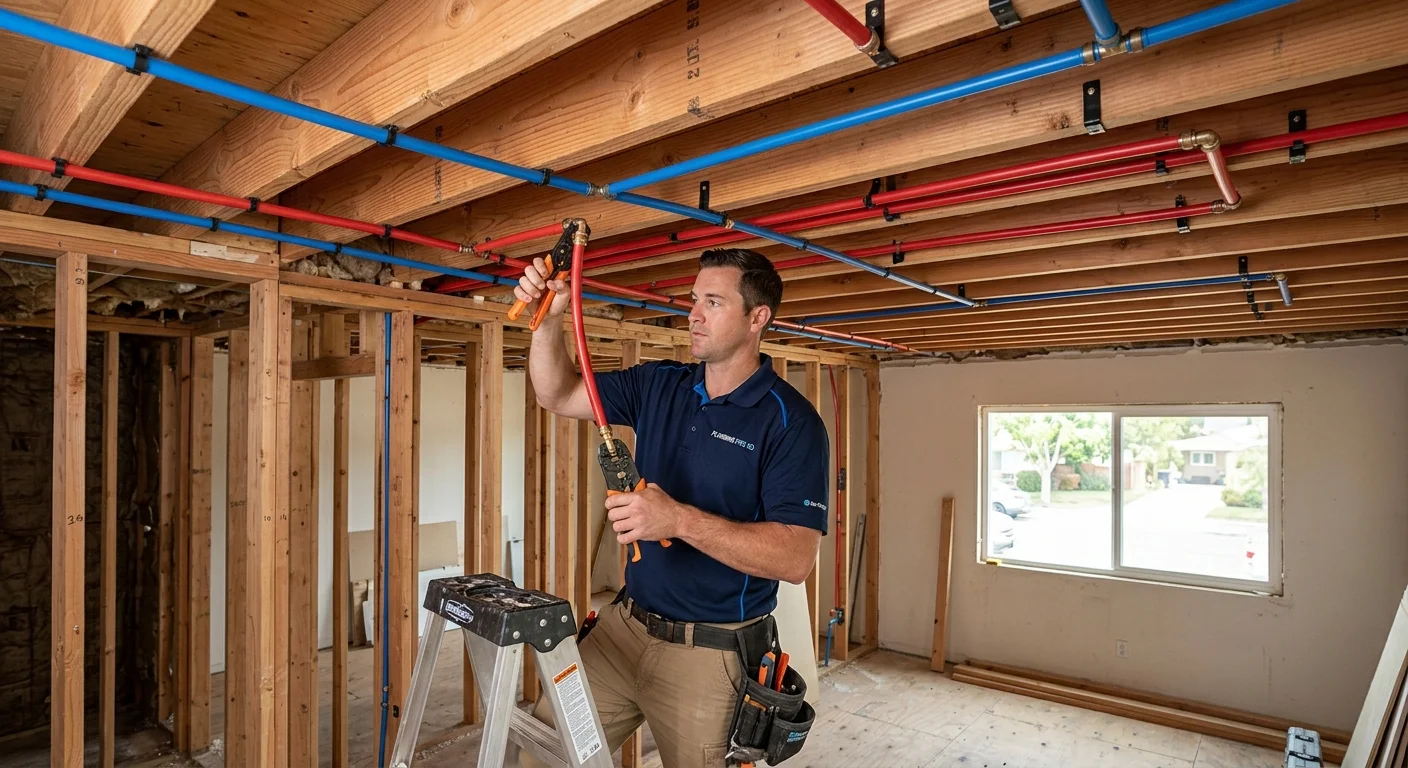
Most repipes today use either copper or PEX. PEX is generally less expensive and resists the scale buildup that hard water causes, while copper has a longer track record and some buyers prefer it. We compare the two in detail in our guide to PEX vs. copper pipes, and break down pricing further in our whole-house repipe cost guide and copper repipe cost guide.
A repipe usually takes one to three days. A reputable plumber pulls a permit, protects your floors and walls, and handles the drywall patching so you are not left with open walls. If a quote skips the permit, that is a red flag worth asking about.
Frequently Asked Questions
How do I know if my house has galvanized pipes?
Look at an exposed supply pipe near your water heater or under a sink. Galvanized steel is dull gray, magnetic, and often shows rust at the threads. Copper is reddish-brown, and PEX is flexible plastic tubing. If your home was built before the mid-1970s and has never been repiped, it likely has galvanized steel. A plumber can confirm it in a few minutes.
Can I just replace the bad section instead of the whole house?
Sometimes, yes. If you have modern copper or PEX and one fitting fails, a spot repair is the right call. But if the failing pipe is galvanized steel, replacing one section does not help, because the rest of the system is the same age and corroding the same way. You will be back to the same problem in a different spot within months.
How long does a whole-house repipe take in San Diego?
Most repipes take one to three days. A single-story home with good access can be done in a day. Two-story homes and slab foundations take longer because the plumber has to open and patch more walls. Water is typically shut off only for short stretches during the work, not the entire time.
Will a repipe fix my low water pressure?
If low pressure is caused by internal corrosion narrowing your old pipes, then yes, a repipe restores full flow. If the cause is a failing pressure regulator or a municipal supply issue, a repipe will not help. That is why a good plumber diagnoses the actual cause before recommending a repipe rather than assuming.
Does a repipe require opening my walls?
Usually some wall access is needed to route the new pipes, especially in two-story homes. A professional repipe crew makes clean, planned access cuts and patches the drywall afterward. They do not tear out entire walls. Ask any contractor whether drywall repair is included in the quote so there are no surprises.
Is it worth repiping before selling my home?
If your home has known galvanized pipe problems, a repipe removes a major inspection red flag and can make the sale smoother. If you are buying an older San Diego home, get the plumbing inspected during escrow. A documented repipe need is something you can negotiate into the purchase price rather than inherit as a surprise.
The bottom line
If you have galvanized pipe, repeat leaks, falling pressure, or rusty water, you are likely past the point where patching pays off. San Diego’s hard water and older housing stock make these failures common, and they only get more expensive the longer you wait.
For a straight answer on whether your home needs a repipe or just a repair, call Plumbing Pro San Diego at (858) 925-5546. We will inspect your system, tell you honestly what we find, and give you a written estimate before any work starts. We serve all of San Diego County, including El Cajon, and you can learn more on our whole-house repipe service page.
Need a Plumber in San Diego?
Licensed, insured, and available 24/7 across San Diego County. Upfront pricing, no surprises.
Call (858) 925-5546Available 24/7, no voicemail, no answering service